

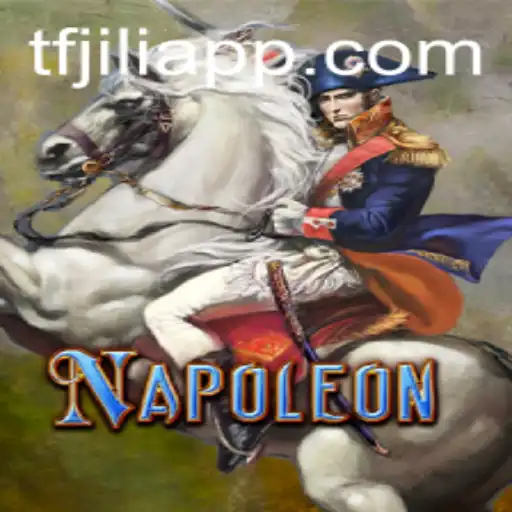

The Napoleon card game, an intriguing mix of strategy and luck, has captivated players across the globe. Named after the famous French military leader, this game encapsulates the essence of high-stakes decision-making and strategic gameplay. Unlike many other card games, Napoleon combines elements of bidding, trick taking, and team collaboration, making it a thrilling experience for those who partake. As with many traditional games, Napoleon has evolved over the years, adapting to contemporary gaming preferences while maintaining its classic charm.
Napoleon's origins trace back to the 19th century in England. The game emerged during a period of significant historical change and technological advancement. Its namesake, Napoleon Bonaparte, had a profound influence on European culture, which extended into the realm of gaming. As players delved into this strategic game, they embraced the tactical depth synonymous with the iconic leader.
Over time, the game spread across continents, with various regions adopting unique variations. These variations often incorporated local customs and rules, creating a diverse tapestry of gameplay experiences. Despite these differences, the core principles of the Napoleonic strategy remained intact, enthralling generations of card enthusiasts.
At its core, the objective of Napoleon is simple: to win as many tricks as possible. Each game involves a bidding phase where players declare the number of tricks they intend to capture. The player who makes the highest bid becomes the "Napoleon," tasked with fulfilling their declared number of tricks.
Once the bidding concludes, players focus on the trick-taking phase. Here, strategic thinking, bluffing, and team alliance are paramount. Players work together to either achieve the Napoleon's bid or thwart their efforts, depending on their roles in the game. This constant push and pull of strategies keep players engaged and make every round unpredictable and exciting.
The rules of Napoleon can vary significantly based on the regional version. However, a standard game typically consists of 28 to 52 cards, with players receiving between five to seven cards each. The bidding process initiates the gameplay, where players assess their hands and make strategic bids. Successful bids must exceed the previous declared bids, creating a competitive environment right from the start.
Once a Napoleon declares their bid, they lead the first trick, setting the stage for subsequent plays. Players must follow the suit, if possible, and the highest card of the leading suit wins the trick. In certain versions, trump suits are introduced, adding another layer of complexity to the strategy.
Adopting effective strategies can significantly influence the outcome. Players often rely on a mix of intuition and logic to predict opponents' moves, manage their hand efficiently, and secure critical tricks. Understanding the dynamics of bluffing and teamwork enhances the gameplay, offering new challenges and opportunities in each round.
In today's rapidly evolving gaming landscape, traditional games like Napoleon retain their relevance due to their rich historical context and engaging gameplay. Amid the rise of digital gaming platforms, card games have experienced a resurgence, with players seeking authentic experiences that offer both social interaction and strategic depth.
The introduction of online platforms has revolutionized the way players access Napoleon. These platforms offer global connectivity, enabling enthusiasts from diverse backgrounds to participate in matches, exchange strategies, and build communities. As technology continues to advance, the potential for new adaptations and enhancements of Napoleon is vast.
Additionally, the cultural significance of Napoleon resonates in contemporary settings. The game mirrors real-world scenarios where risk assessments, alliances, and strategic execution determine success or failure. Its timeless appeal lies in its ability to reflect these fundamental human experiences, making it a perpetual favorite among card players.
The Napoleon card game stands as a testament to the enduring allure of traditional games defined by their strategic depth and varied gameplay. As it continues to evolve, adapting to modern gaming trends and technologies, its legacy remains firmly rooted in its rich historical origins.
In essence, Napoleon offers a unique blend of strategy, luck, and social interaction. Its capacity to engage players through tactical challenges and competitive bidding ensures its place in the pantheon of great card games. Whether played in physical gatherings or online forums, the thrill of the game persists, offering endless opportunities for new and seasoned players alike.

Explore the delightful and engaging game 'Yummy' through its fascinating gameplay and unique rules. Learn how the keyword 'TFJILI' intertwines with its captivating storyline, making it a must-play.
Discover the captivating adventure and strategic challenges of VikingsMystery, an enthralling game combining Norse mythology and modern-day gaming thrills.

Discover the immersive world of 'NightMarket2' by TFJILI, complete with detailed gameplay introduction and rules.

Embark on an exciting journey with GalacticGems as we delve into its enthralling gameplay, intriguing storyline, and innovative rules, amidst a backdrop of current gaming trends.

Discover the captivating universe of GoldenEmpire2, a game that brilliantly combines strategy, adventure, and teamwork with intriguing rules and current event influences.

Discover the thrilling world of BurningFort, a strategic game interwoven with modern-day events, elevating the gaming experience to unparalleled heights.
